 November 7, 2026
What If a Kingdom Celebrated Winter for an Entire Month?
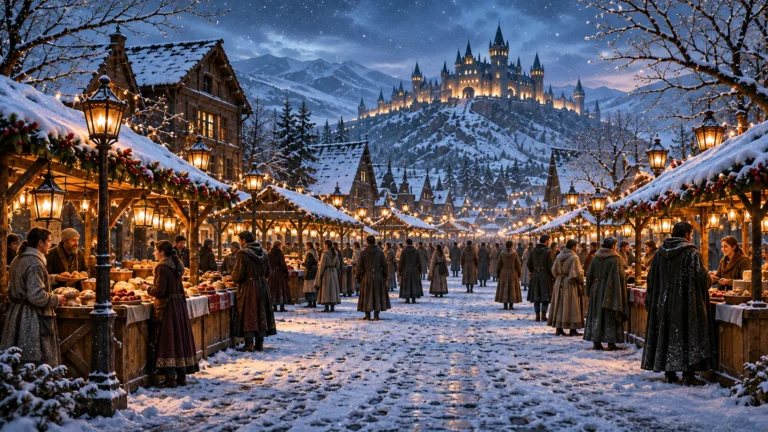
Imagine a prosperous fantasy kingdom where winter is not considered a season of inconvenience, but the most important celebration of the year.…

Winter creates a distinctive atmosphere for romantic stories. Snow-covered gardens, candlelit rooms, quiet evenings, and long nights provide opportunities for intimate encounters that might feel less memorable in an ordinary setting. Now imagine a vampire experiencing these moments while knowing that the person they love will eventually grow old, while they may remain physically unchanged for centuries. The romance becomes more complicated because the two characters experience time differently. For one, a winter celebration might be the beginning of an ordinary lifetime together. For the other, it could become a memory that survives long after the surrounding kingdom has disappeared.
Most romantic relationships develop within the expectation that both people will grow older. Their appearances change, their priorities evolve, and they experience the passage of time together. An immortal character faces a different reality. They might remain youthful while their partner ages, creating an emotional difference that becomes increasingly difficult to ignore. The problem is not simply the fear of death, but the possibility of witnessing the gradual disappearance of someone whose presence has become central to their existence.
Fantasy writers have explored this contradiction through vampires, elves, gods, and other long-lived characters. Immortality can offer extraordinary advantages, but those advantages become complicated when the immortal develops attachments to mortal people. A vampire might avoid relationships entirely, believing that solitude is preferable to repeated grief. Another might accept the inevitable loss because a limited period of happiness still feels more valuable than an eternity without love.
Winter can intensify these themes because seasonal traditions often repeat. A couple might return to the same garden every December, celebrate beneath the same decorated tree, or share evenings beside a familiar fireplace. Over time, these ordinary experiences acquire emotional significance. An immortal could eventually return to those places alone, remembering details that nobody else living can recall.
Imagine a royal winter ball inside an ancient castle. Hundreds of guests gather beneath magnificent chandeliers while snow falls beyond the tall windows. A mysterious stranger approaches a young woman and invites her to dance. Their conversation begins casually, but she soon realizes that he speaks about events from centuries earlier as though he witnessed them personally.
They spend the evening together, unaware that the encounter will change both their lives. Over the following years, their relationship deepens, and winter becomes their favorite season. They celebrate holidays, explore snow-covered landscapes, and build memories that seem almost ordinary despite the supernatural circumstances.
Decades later, the same vampire might stand alone in the castle garden, watching snow settle on a stone bench where they once sat together. The building remains familiar, but the person who made it meaningful is gone. Even if the vampire eventually meets someone new, those earlier memories cannot simply be replaced.
This creates one of the most interesting questions in supernatural romance. Does immortality make love more precious because every shared moment is temporary, or does it make love more painful because the immortal must remember everything long after their partner has disappeared? Perhaps the answer depends on whether a character believes that happiness is valuable only when it lasts forever.
November 7, 2026 Imagine a prosperous fantasy kingdom where winter is not considered a season of inconvenience, but the most important celebration of the year.…
 November 7, 2026
Imagine spending Christmas inside an enormous Gothic castle surrounded by snow-covered mountains. Hundreds of candles illuminate the corridors, evergreen decorations surround ancient…
 November 7, 2026
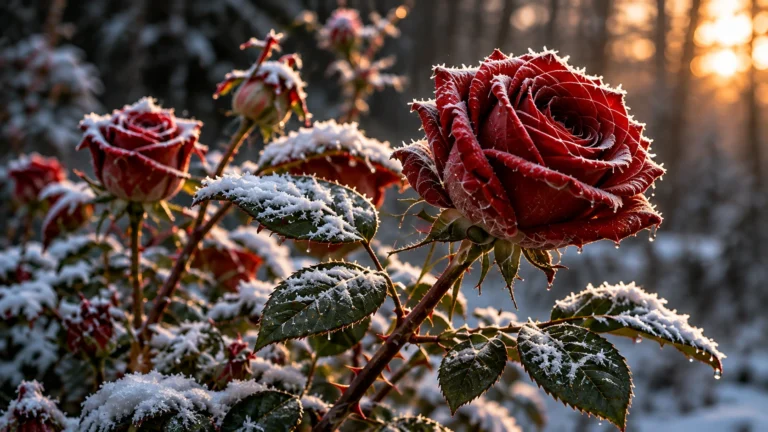
A red rose surrounded by snow creates an extraordinary visual contrast. Its delicate petals appear almost impossible against a landscape dominated by…
 November 7, 2026
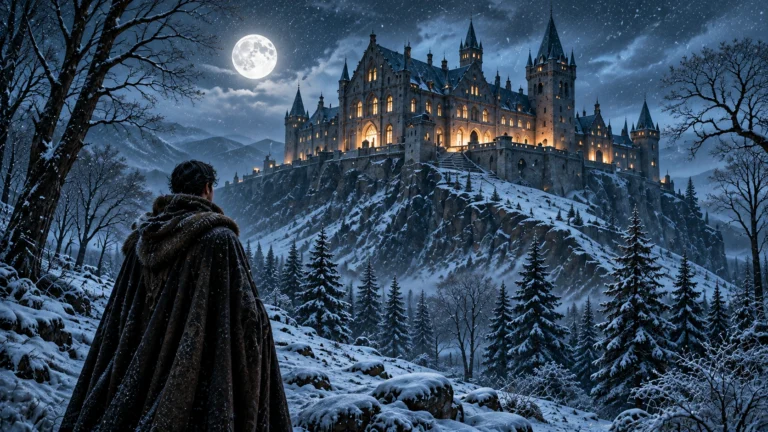
Imagine a wealthy kingdom preparing for its most important winter celebration. The capital is illuminated with thousands of lanterns, merchants decorate their…
 November 7, 2026
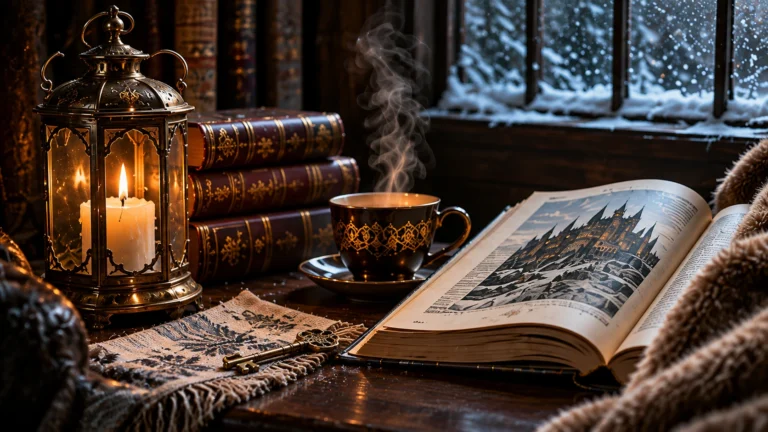
There is something particularly inviting about opening a fantasy novel on a cold winter evening. Rain strikes the windows, snow covers the…
 November 7, 2026
Imagine an expedition exploring a remote mountain glacier and discovering a human figure beneath several layers of ancient ice. The person appears…
 November 7, 2026
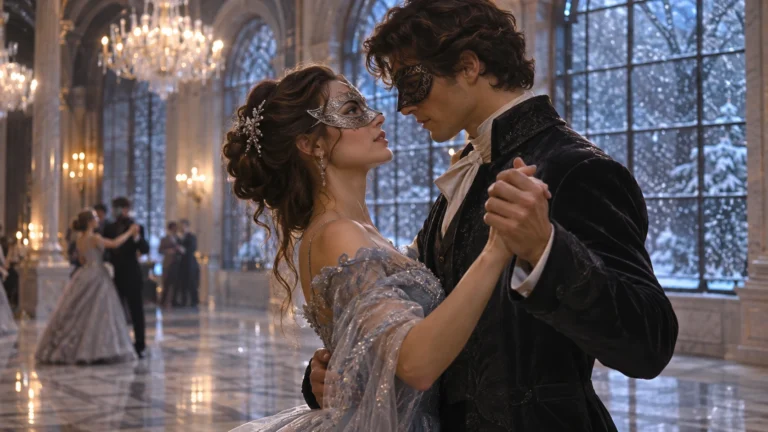
A magnificent ballroom illuminated by hundreds of candles, elegantly dressed guests, orchestral music, and snow falling beyond enormous windows. Winter balls provide…
 November 7, 2026
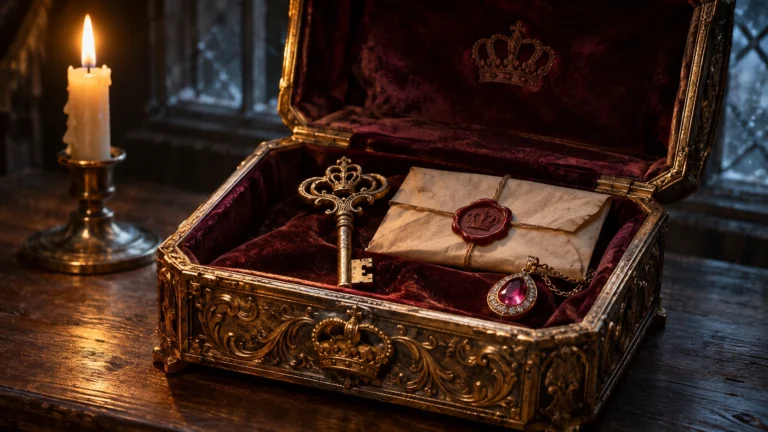
Imagine exploring the abandoned chambers of an ancient royal palace and discovering a beautifully decorated box hidden inside a wooden cabinet. Its…
 November 7, 2026
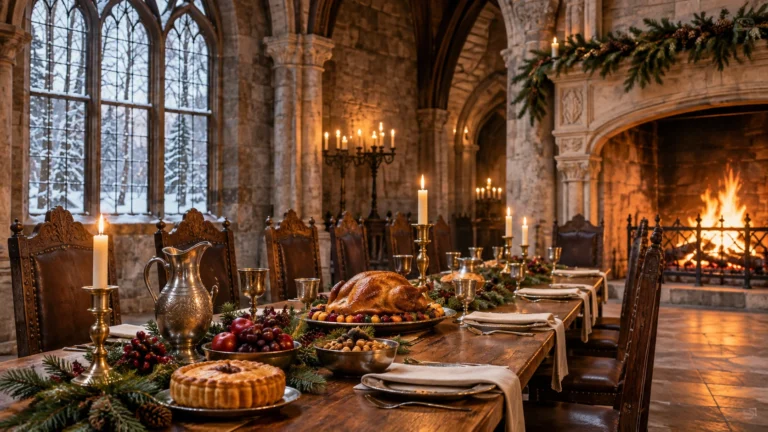
Imagine entering the great hall of a medieval castle during the coldest part of winter. Enormous fireplaces illuminate the room, musicians entertain…
 November 7, 2026
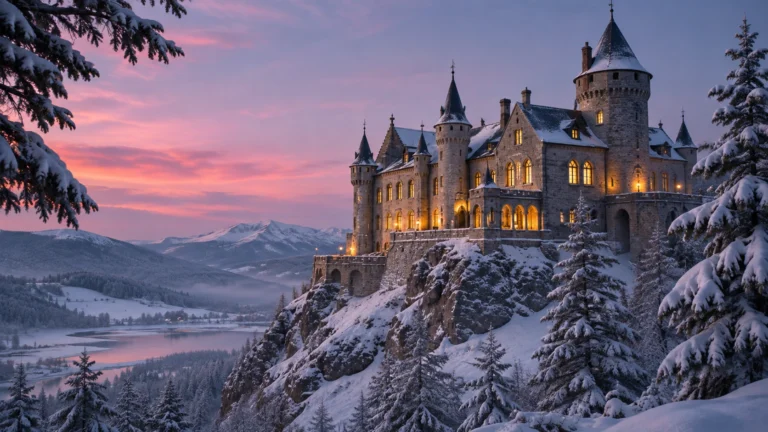
A magnificent palace surrounded by colorful gardens can be beautiful during summer, but there is something especially mysterious about a medieval castle…
November 7, 2026 Imagine a prosperous fantasy kingdom where winter is not considered a season of inconvenience, but the most important celebration of the year.…
November 7, 2026 Imagine spending Christmas inside an enormous Gothic castle surrounded by snow-covered mountains. Hundreds of candles illuminate the corridors, evergreen decorations surround ancient…
November 7, 2026 A red rose surrounded by snow creates an extraordinary visual contrast. Its delicate petals appear almost impossible against a landscape dominated by…
November 7, 2026 Imagine a wealthy kingdom preparing for its most important winter celebration. The capital is illuminated with thousands of lanterns, merchants decorate their…
November 7, 2026 There is something particularly inviting about opening a fantasy novel on a cold winter evening. Rain strikes the windows, snow covers the…
November 7, 2026 Imagine an expedition exploring a remote mountain glacier and discovering a human figure beneath several layers of ancient ice. The person appears…
November 7, 2026 A magnificent ballroom illuminated by hundreds of candles, elegantly dressed guests, orchestral music, and snow falling beyond enormous windows. Winter balls provide…
November 7, 2026 Imagine exploring the abandoned chambers of an ancient royal palace and discovering a beautifully decorated box hidden inside a wooden cabinet. Its…
November 7, 2026 Imagine entering the great hall of a medieval castle during the coldest part of winter. Enormous fireplaces illuminate the room, musicians entertain…
November 7, 2026 A magnificent palace surrounded by colorful gardens can be beautiful during summer, but there is something especially mysterious about a medieval castle…