 November 7, 2026
What If a Kingdom Celebrated Winter for an Entire Month?
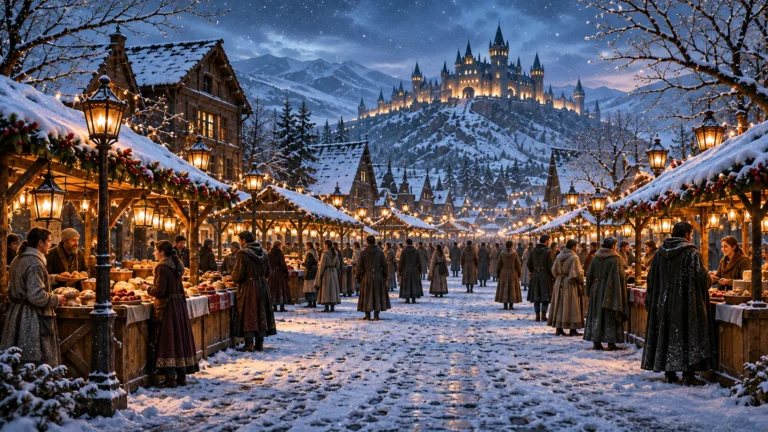
Imagine a prosperous fantasy kingdom where winter is not considered a season of inconvenience, but the most important celebration of the year.…
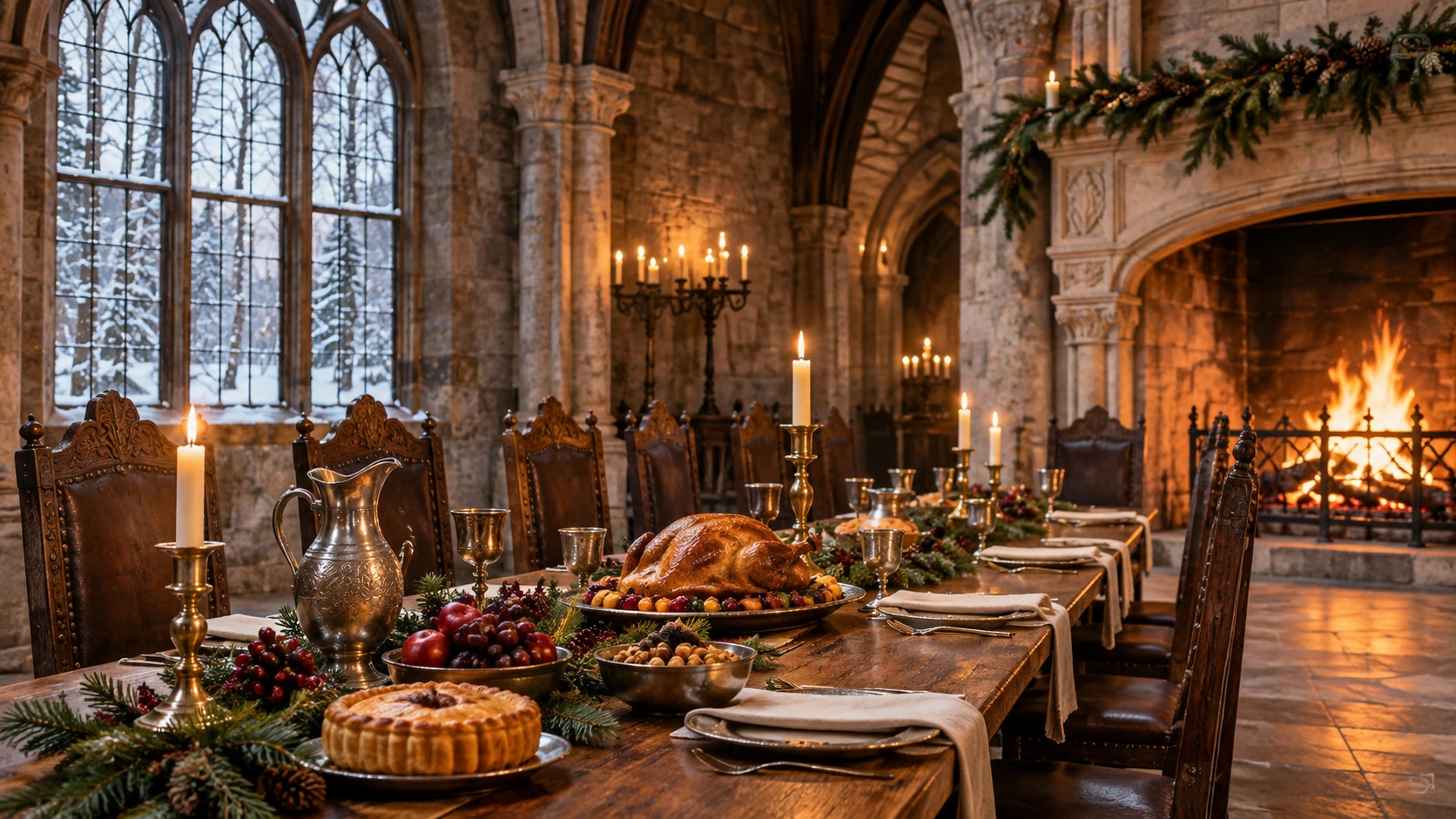
Imagine entering the great hall of a medieval castle during the coldest part of winter. Enormous fireplaces illuminate the room, musicians entertain the guests, and long tables are covered with carefully prepared dishes. Noble families gather beneath decorated ceilings while servants move between the tables carrying food and drink. Outside, snow covers the countryside, but inside the castle, the celebration continues late into the night. Such gatherings could represent far more than a pleasant evening. Royal feasts were opportunities to demonstrate wealth, reinforce relationships, honor traditions, and communicate the authority of a ruling household.
In medieval European courts, hospitality was closely connected with status. A ruler who could accommodate important visitors, provide elaborate meals, and organize impressive entertainment demonstrated the resources available to the royal household. The preparation of a major feast required considerable planning, especially during winter when obtaining fresh ingredients and transporting supplies could be difficult.
Kitchens needed sufficient fuel, preserved provisions, equipment, and workers. Depending on the period and region, wealthy households might serve several courses featuring meat, fish, bread, pies, sauces, and sweets. Spices and imported ingredients could communicate wealth because their availability depended on trade networks and purchasing power. The presentation of food could be just as important as its quantity, with elaborate dishes designed to impress guests.
Feasts also provided opportunities for diplomacy. Visiting nobles might discuss marriages, territorial disputes, trade agreements, or military alliances while participating in festivities. Seating arrangements and ceremonial honors could indicate a guest’s standing within the political hierarchy. A celebration that appeared purely social might therefore have consequences extending far beyond the banquet hall.
These gatherings were not identical across all centuries and kingdoms. Medieval customs changed over time, and ordinary people experienced winter celebrations very differently from wealthy aristocratic households. Nevertheless, the connection between ceremonial hospitality and political authority makes royal feasts a compelling subject for both history and fantasy.
Fantasy can transform a winter feast into the setting for a remarkable mystery. Imagine a magnificent castle where representatives from several rival kingdoms have gathered to celebrate a royal engagement. The hall is filled with music, elaborate decorations, and guests wearing expensive clothing. Everyone appears cheerful, but beneath the polite conversations, political tensions remain unresolved.
A nobleman might secretly negotiate with an enemy kingdom. A young princess could discover that her marriage has already been arranged without her knowledge. A mysterious guest might arrive carrying a sealed letter that threatens to expose an ancient betrayal.
The celebration becomes especially interesting when bad weather prevents anyone from leaving. Snow closes the mountain roads, guards secure the gates, and the assembled guests must remain together until conditions improve. A sudden disappearance or unexpected death could turn the festive castle into a place of suspicion.
Royal winter feasts are fascinating because they bring different aspects of power into one room. Wealth, elegance, diplomacy, personal ambition, and family rivalries all coexist beneath the appearance of celebration. The grandest banquet might be remembered not for its magnificent food, but for the extraordinary event that occurred before the final course was served.
November 7, 2026 Imagine a prosperous fantasy kingdom where winter is not considered a season of inconvenience, but the most important celebration of the year.…
 November 7, 2026
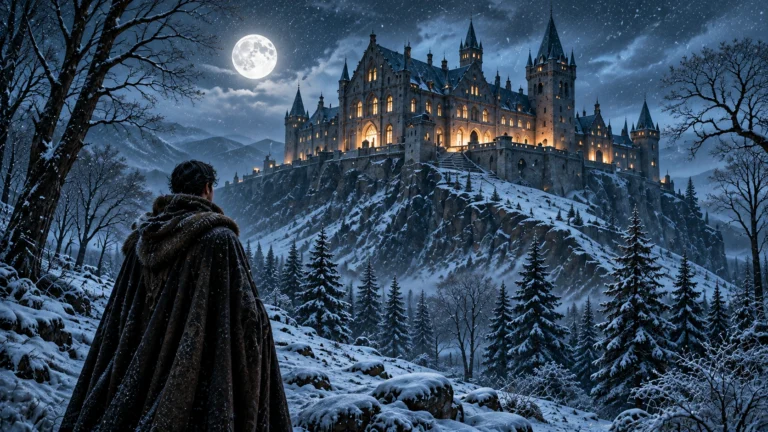
Imagine spending Christmas inside an enormous Gothic castle surrounded by snow-covered mountains. Hundreds of candles illuminate the corridors, evergreen decorations surround ancient…
 November 7, 2026
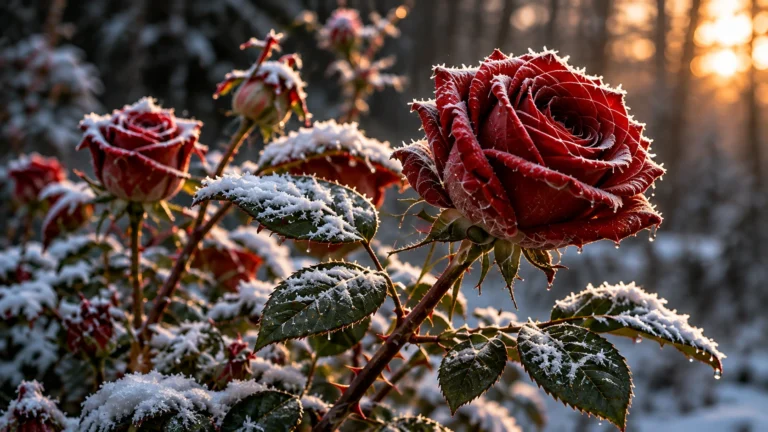
A red rose surrounded by snow creates an extraordinary visual contrast. Its delicate petals appear almost impossible against a landscape dominated by…
 November 7, 2026
Imagine a wealthy kingdom preparing for its most important winter celebration. The capital is illuminated with thousands of lanterns, merchants decorate their…
 November 7, 2026
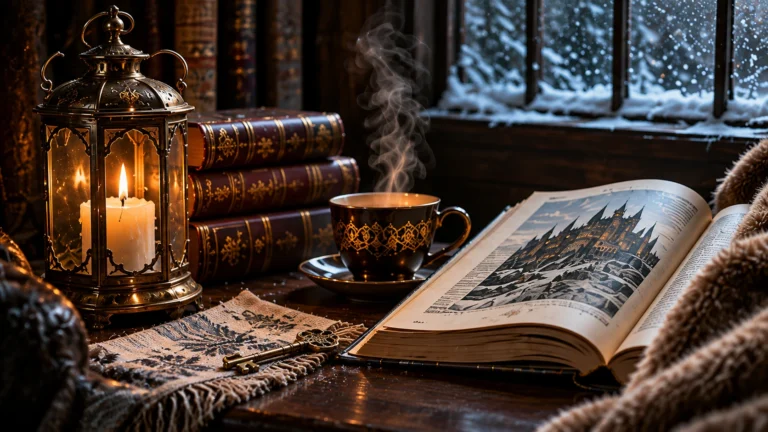
There is something particularly inviting about opening a fantasy novel on a cold winter evening. Rain strikes the windows, snow covers the…
 November 7, 2026
Imagine an expedition exploring a remote mountain glacier and discovering a human figure beneath several layers of ancient ice. The person appears…
 November 7, 2026
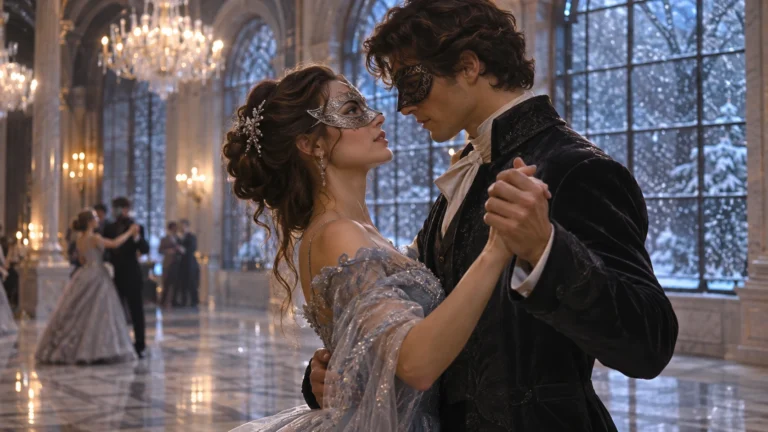
A magnificent ballroom illuminated by hundreds of candles, elegantly dressed guests, orchestral music, and snow falling beyond enormous windows. Winter balls provide…
 November 7, 2026
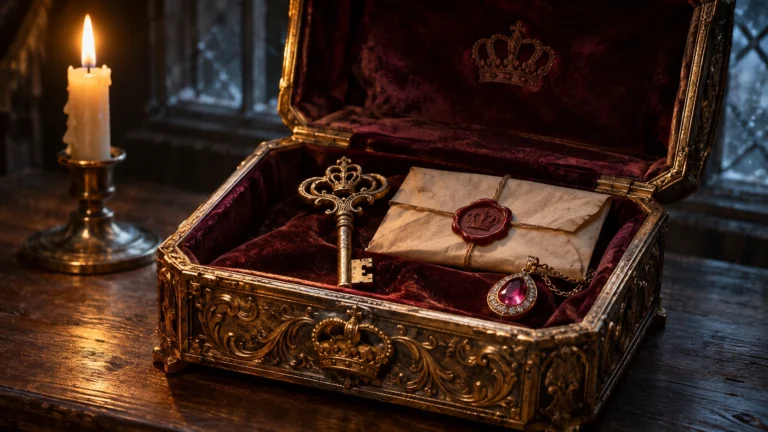
Imagine exploring the abandoned chambers of an ancient royal palace and discovering a beautifully decorated box hidden inside a wooden cabinet. Its…
 November 7, 2026
Winter creates a distinctive atmosphere for romantic stories. Snow-covered gardens, candlelit rooms, quiet evenings, and long nights provide opportunities for intimate encounters…
 November 7, 2026
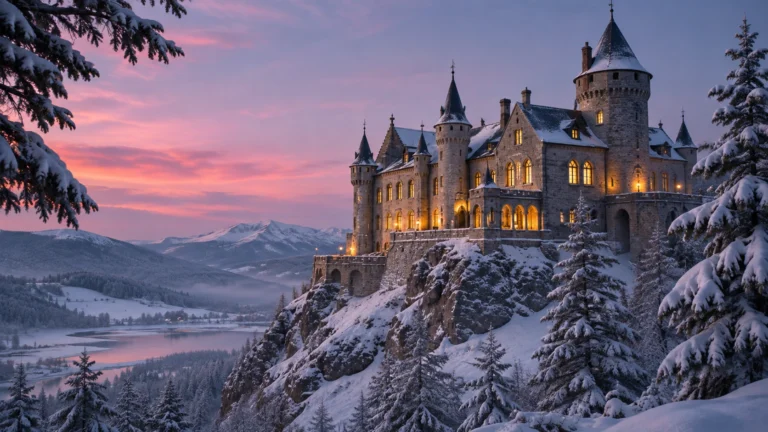
A magnificent palace surrounded by colorful gardens can be beautiful during summer, but there is something especially mysterious about a medieval castle…
November 7, 2026 Imagine a prosperous fantasy kingdom where winter is not considered a season of inconvenience, but the most important celebration of the year.…
November 7, 2026 Imagine spending Christmas inside an enormous Gothic castle surrounded by snow-covered mountains. Hundreds of candles illuminate the corridors, evergreen decorations surround ancient…
November 7, 2026 A red rose surrounded by snow creates an extraordinary visual contrast. Its delicate petals appear almost impossible against a landscape dominated by…
November 7, 2026 Imagine a wealthy kingdom preparing for its most important winter celebration. The capital is illuminated with thousands of lanterns, merchants decorate their…
November 7, 2026 There is something particularly inviting about opening a fantasy novel on a cold winter evening. Rain strikes the windows, snow covers the…
November 7, 2026 Imagine an expedition exploring a remote mountain glacier and discovering a human figure beneath several layers of ancient ice. The person appears…
November 7, 2026 A magnificent ballroom illuminated by hundreds of candles, elegantly dressed guests, orchestral music, and snow falling beyond enormous windows. Winter balls provide…
November 7, 2026 Imagine exploring the abandoned chambers of an ancient royal palace and discovering a beautifully decorated box hidden inside a wooden cabinet. Its…
November 7, 2026 Winter creates a distinctive atmosphere for romantic stories. Snow-covered gardens, candlelit rooms, quiet evenings, and long nights provide opportunities for intimate encounters…
November 7, 2026 A magnificent palace surrounded by colorful gardens can be beautiful during summer, but there is something especially mysterious about a medieval castle…