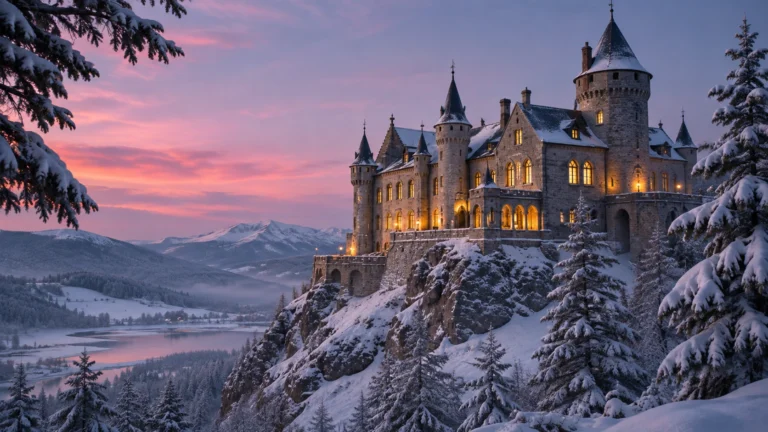
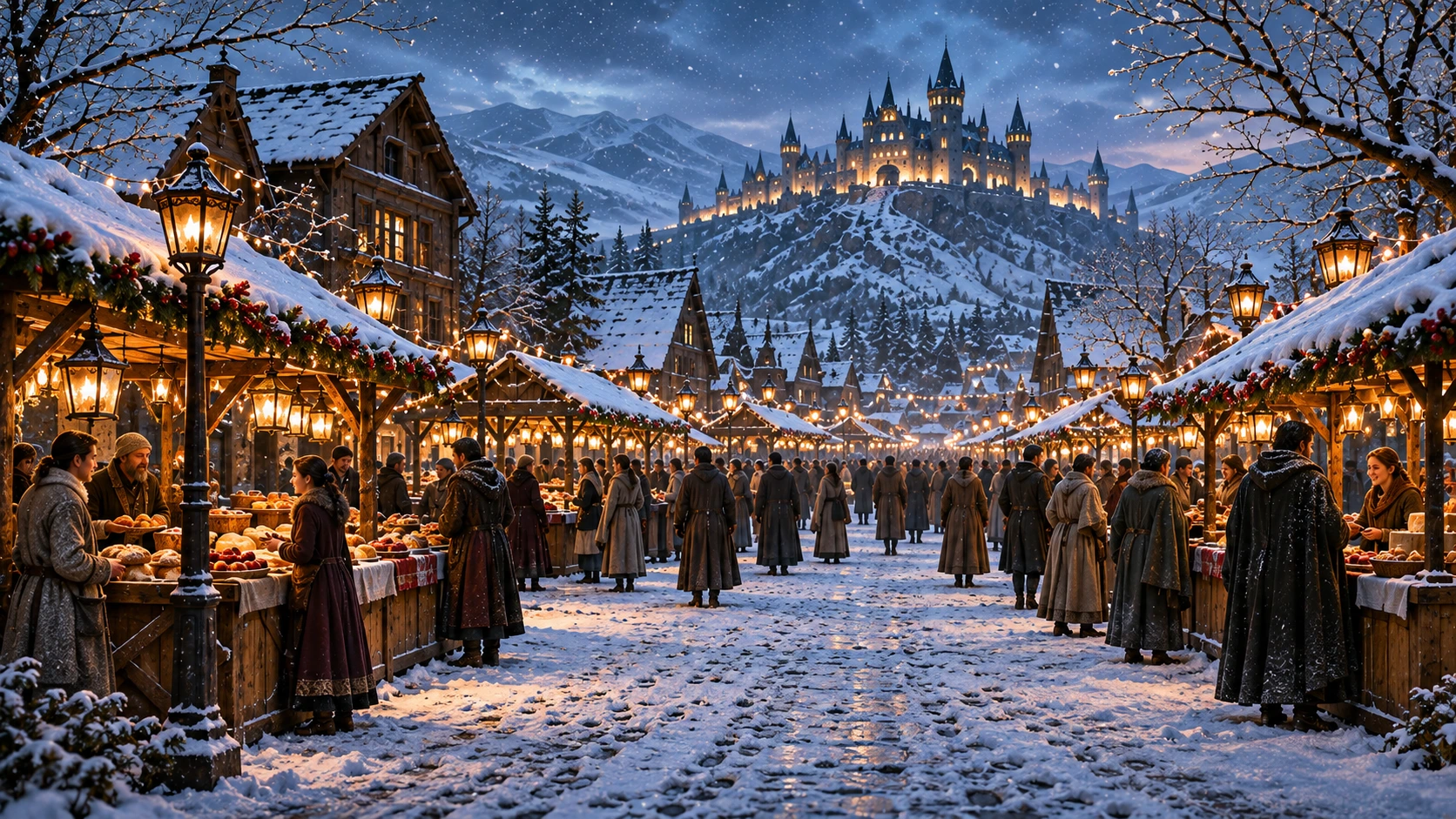
Imagine a prosperous fantasy kingdom where winter is not considered a season of inconvenience, but the most important celebration of the year. For an entire month, magnificent decorations illuminate public squares, merchants prepare elaborate window displays, and enormous trees rise above the streets of the capital. Royal palaces remain brightly lit throughout the evening, musicians perform in crowded marketplaces, and visitors arrive from distant countries to experience the festivities. Such a kingdom might appear to have transformed the coldest part of the year into a continuous festival, creating a tradition that attracts travelers, strengthens community relationships, and becomes inseparable from the kingdom’s identity.
Thirty Days of Royal Celebrations
A fictional winter festival could contain different events throughout the month, allowing visitors and residents to experience more than a single holiday celebration. The opening ceremony might begin with the illumination of the capital’s central square, followed by music, fireworks, and a procession featuring representatives from different regions of the kingdom.
Subsequent days could introduce seasonal markets, public performances, competitions, and traditional celebrations. Local craftspeople might sell handmade decorations, jewelry, winter clothing, and carefully prepared foods. Restaurants and inns could offer special menus, while musicians perform in streets decorated with lanterns and evergreen branches.
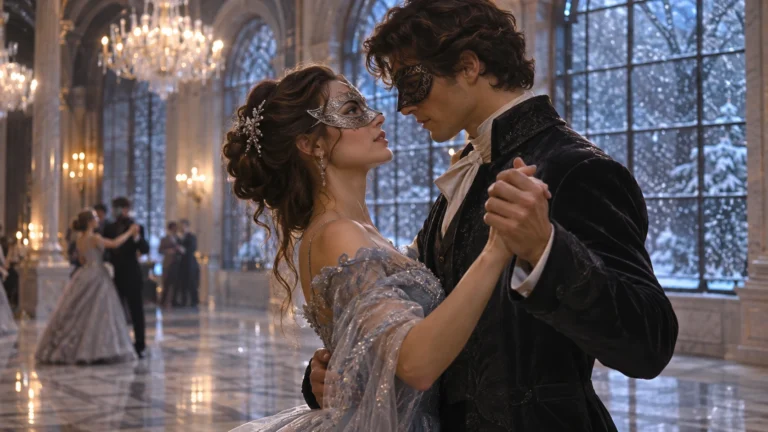
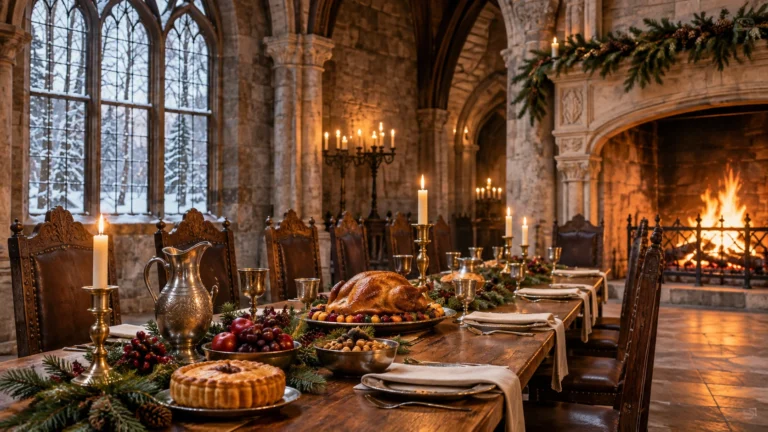
The royal household might organize magnificent balls, ceremonial banquets, and charity events. Certain palace gardens could open to visitors, offering the opportunity to admire elaborate winter decorations and sculptures created specifically for the celebration.
Such an event would require considerable organization. Accommodation, transport, security, food supplies, sanitation, and public services would all need planning, especially if thousands of visitors arrived from neighboring kingdoms. A month-long festival could also become an important source of revenue for local businesses, encouraging merchants and craftspeople to participate.
The celebration would not necessarily depend entirely on the royal family’s personal wealth. Historical festivals and modern seasonal events often involve combinations of public organization, commercial activity, community participation, and private sponsorship. A fictional kingdom could develop its own approach based on its political and economic traditions.
The Night the Entire Kingdom Falls Silent
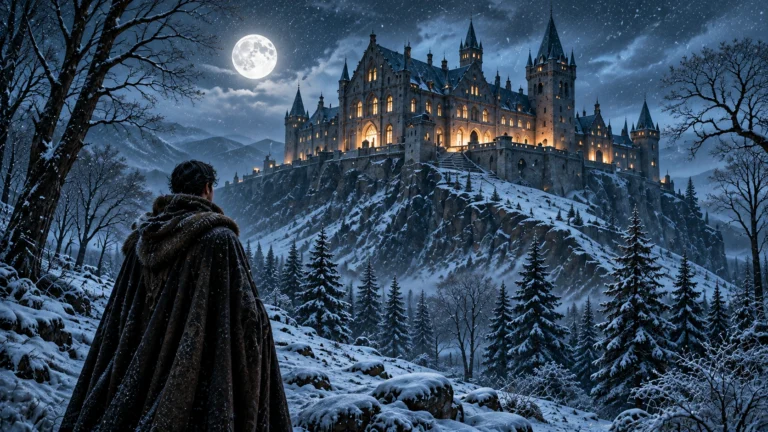
The most memorable part of the festival might occur on its final evening. Imagine the capital filled with music, illuminated buildings, and enormous crowds gathering beneath the towers of the royal palace. After thirty days of celebration, the king appears on a balcony overlooking the central square.
As midnight approaches, bells begin ringing across the city. One by one, musicians stop performing, merchants extinguish their decorative lights, and the enormous crowd becomes quiet.
At the final bell, every public lantern is extinguished for exactly one minute.
The tradition commemorates an ancient winter when the kingdom nearly disappeared during a devastating conflict. According to legend, its people survived by remaining united until a courageous ruler restored peace and prosperity.
The minute of darkness symbolizes the uncertainty of that historical moment. When the silence ends, thousands of lanterns illuminate the streets again, representing the kingdom’s survival and renewal.
Families embrace, musicians resume playing, and the celebration reaches its conclusion beneath the winter sky.
Such a tradition could become far more important than any individual decoration or expensive banquet. It would connect generations through a shared memory, giving the kingdom a cultural identity that extends beyond the authority of its rulers.
Perhaps the most compelling fictional kingdoms are not simply those possessing magnificent castles, enormous armies, or extraordinary treasures. They are places whose inhabitants share traditions that make their history feel personal, meaningful, and worth preserving.
 November 7, 2026