 November 7, 2026
What If a Kingdom Celebrated Winter for an Entire Month?
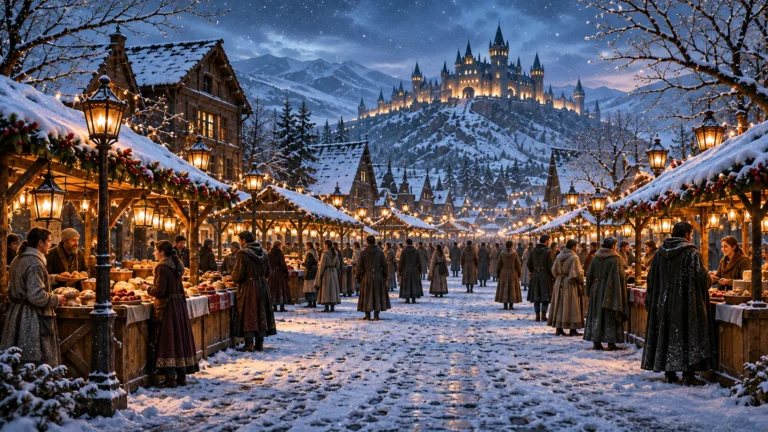
Imagine a prosperous fantasy kingdom where winter is not considered a season of inconvenience, but the most important celebration of the year.…
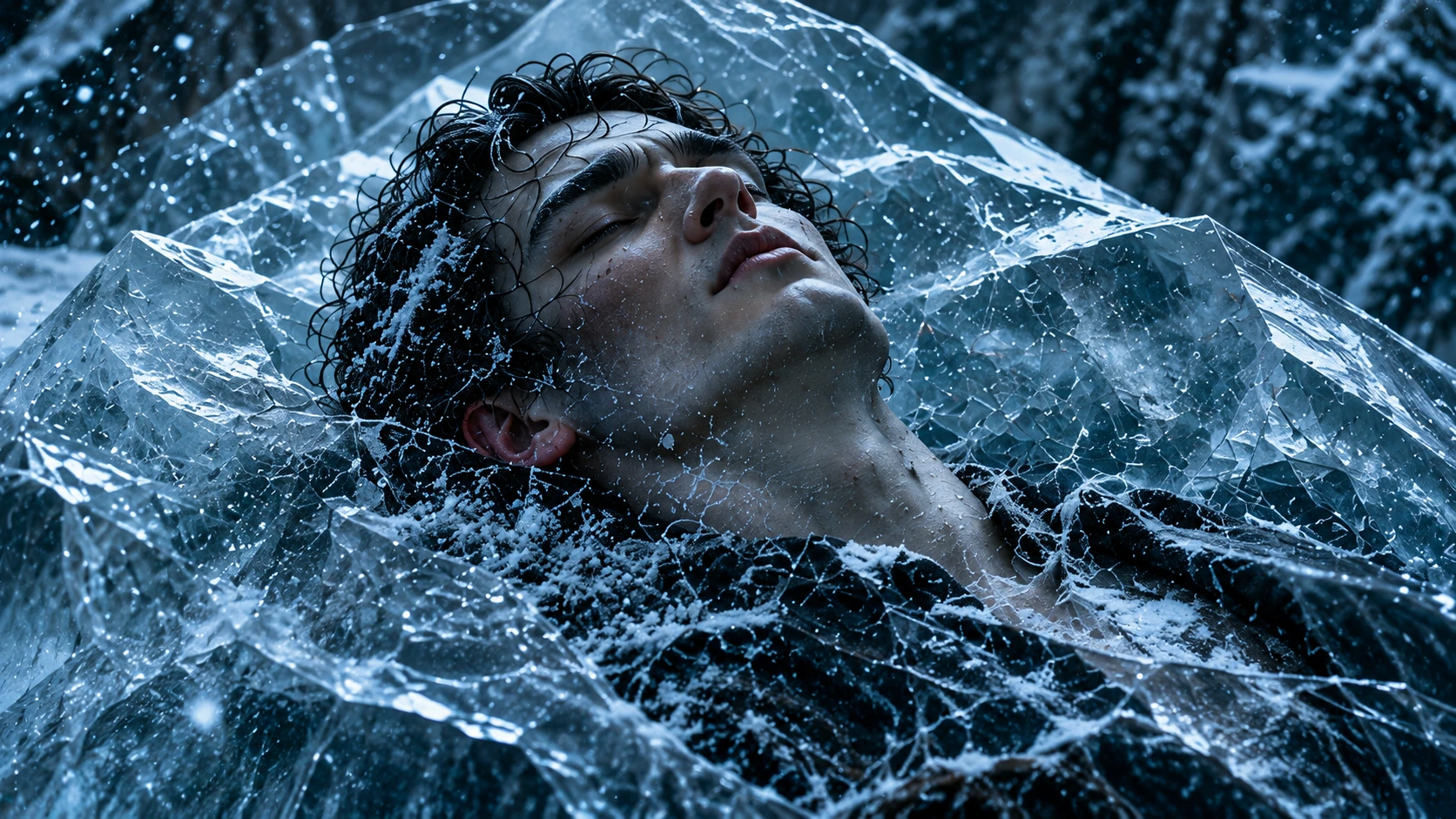
Imagine an expedition exploring a remote mountain glacier and discovering a human figure beneath several layers of ancient ice. The person appears remarkably preserved, wearing dark clothing and an elaborate ring that resembles something from a forgotten royal dynasty. At first, the explorers assume they have discovered the remains of someone who disappeared centuries earlier. Then they notice something unusual. The body shows none of the decay they expected, and its appearance suggests that time has somehow stopped. What if the person buried beneath the glacier were not human at all, but a vampire who had remained imprisoned for hundreds of years?
In the real world, prolonged freezing presents enormous dangers to the human body. The formation of ice crystals can damage cells and tissues, while changes in temperature and circulation create conditions incompatible with ordinary human survival. Although scientists study biological preservation and certain organisms possess remarkable adaptations to freezing temperatures, humans cannot naturally survive being frozen solid for centuries.
Vampires belong to fiction, however, and different stories establish different rules governing their survival. Some portray vampires as supernatural beings whose bodies remain physically active and require regular nourishment. Others imagine creatures capable of entering a deep, prolonged sleep, remaining dormant inside coffins or hidden chambers until something awakens them.
A vampire trapped beneath ice could therefore become a compelling fictional mystery. Perhaps its supernatural nature prevents ordinary biological damage, allowing the creature to remain unconscious without deteriorating. Another possibility is that a magical curse preserves the body, making the glacier itself part of an ancient imprisonment.
The question becomes even more intriguing if the vampire was deliberately frozen. Imagine a powerful kingdom discovering that an immortal enemy could not be destroyed by ordinary weapons. Rather than attempting another execution, its rulers might imprison the creature deep beneath a remote mountain, where nobody would disturb it for generations.
The most extraordinary consequence of surviving such an imprisonment might be the experience of awakening afterward. Imagine a vampire who last saw the world during the reign of an ancient monarch. Its homeland was filled with stone castles, fortified villages, and royal armies traveling on horseback.
After several centuries beneath the ice, the creature awakens in a completely different society. The kingdom it remembers has disappeared, its language has evolved, and the descendants of its enemies no longer know its name. Even the mountain where it was imprisoned might have changed considerably.
The vampire could attempt to discover what happened to its family, its possessions, and the people responsible for its imprisonment. Ancient manuscripts, archaeological discoveries, and surviving ruins might become its only connections to the past.
There is also the question of how an immortal would react to discovering that everything familiar has vanished. Some characters might become fascinated by the modern world, recognizing that centuries of progress have created extraordinary opportunities. Others could become consumed by grief or revenge.
Perhaps the most unsettling possibility is that the vampire has no idea how long it has been asleep. It remembers closing its eyes for what seemed like a single night, only to discover that hundreds of winters have passed while the rest of the world continued without it.
November 7, 2026 Imagine a prosperous fantasy kingdom where winter is not considered a season of inconvenience, but the most important celebration of the year.…
 November 7, 2026
Imagine spending Christmas inside an enormous Gothic castle surrounded by snow-covered mountains. Hundreds of candles illuminate the corridors, evergreen decorations surround ancient…
 November 7, 2026
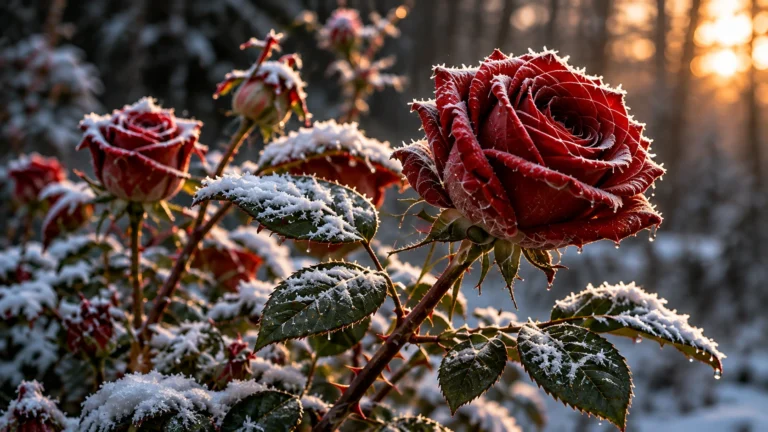
A red rose surrounded by snow creates an extraordinary visual contrast. Its delicate petals appear almost impossible against a landscape dominated by…
 November 7, 2026
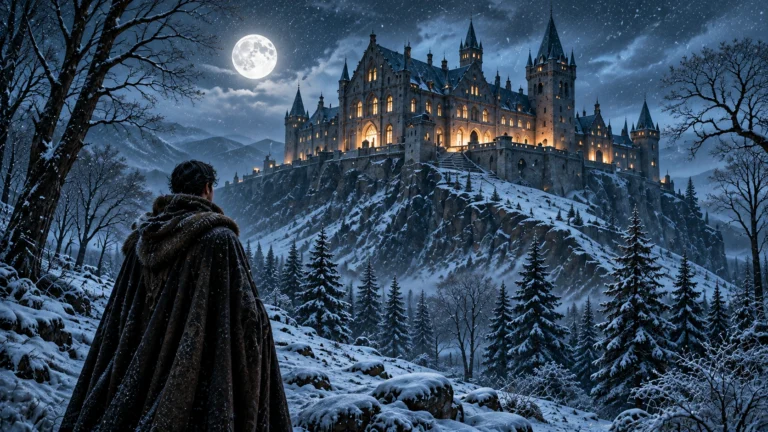
Imagine a wealthy kingdom preparing for its most important winter celebration. The capital is illuminated with thousands of lanterns, merchants decorate their…
 November 7, 2026
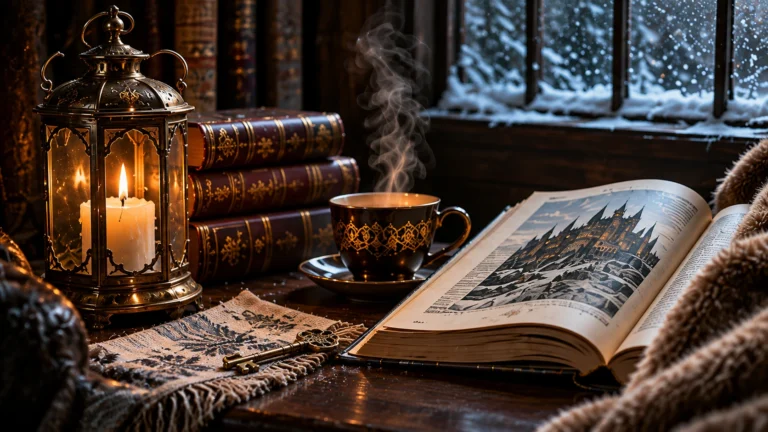
There is something particularly inviting about opening a fantasy novel on a cold winter evening. Rain strikes the windows, snow covers the…
 November 7, 2026
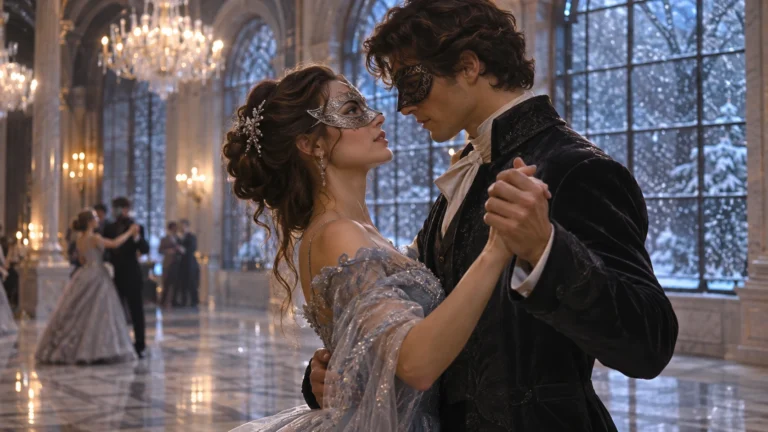
A magnificent ballroom illuminated by hundreds of candles, elegantly dressed guests, orchestral music, and snow falling beyond enormous windows. Winter balls provide…
 November 7, 2026
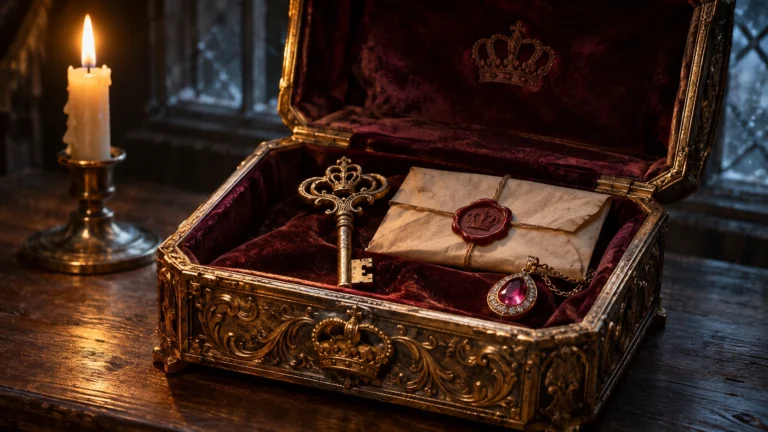
Imagine exploring the abandoned chambers of an ancient royal palace and discovering a beautifully decorated box hidden inside a wooden cabinet. Its…
 November 7, 2026
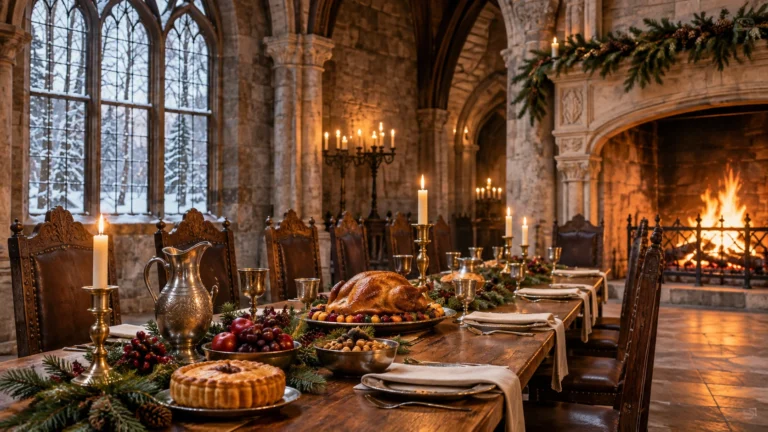
Imagine entering the great hall of a medieval castle during the coldest part of winter. Enormous fireplaces illuminate the room, musicians entertain…
 November 7, 2026
Winter creates a distinctive atmosphere for romantic stories. Snow-covered gardens, candlelit rooms, quiet evenings, and long nights provide opportunities for intimate encounters…
 November 7, 2026
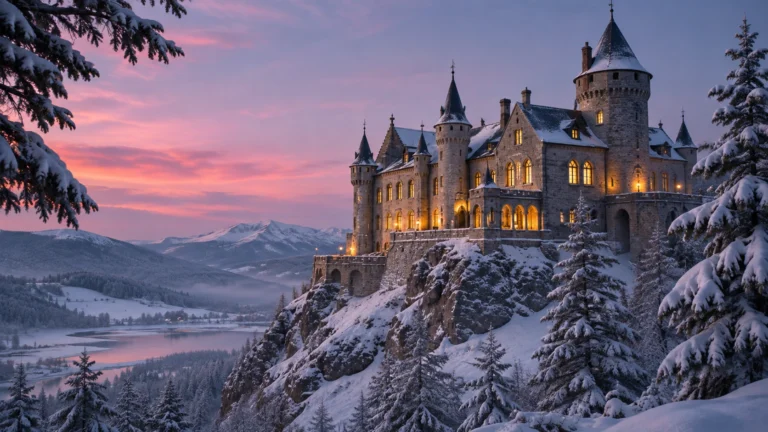
A magnificent palace surrounded by colorful gardens can be beautiful during summer, but there is something especially mysterious about a medieval castle…
November 7, 2026 Imagine a prosperous fantasy kingdom where winter is not considered a season of inconvenience, but the most important celebration of the year.…
November 7, 2026 Imagine spending Christmas inside an enormous Gothic castle surrounded by snow-covered mountains. Hundreds of candles illuminate the corridors, evergreen decorations surround ancient…
November 7, 2026 A red rose surrounded by snow creates an extraordinary visual contrast. Its delicate petals appear almost impossible against a landscape dominated by…
November 7, 2026 Imagine a wealthy kingdom preparing for its most important winter celebration. The capital is illuminated with thousands of lanterns, merchants decorate their…
November 7, 2026 There is something particularly inviting about opening a fantasy novel on a cold winter evening. Rain strikes the windows, snow covers the…
November 7, 2026 A magnificent ballroom illuminated by hundreds of candles, elegantly dressed guests, orchestral music, and snow falling beyond enormous windows. Winter balls provide…
November 7, 2026 Imagine exploring the abandoned chambers of an ancient royal palace and discovering a beautifully decorated box hidden inside a wooden cabinet. Its…
November 7, 2026 Imagine entering the great hall of a medieval castle during the coldest part of winter. Enormous fireplaces illuminate the room, musicians entertain…
November 7, 2026 Winter creates a distinctive atmosphere for romantic stories. Snow-covered gardens, candlelit rooms, quiet evenings, and long nights provide opportunities for intimate encounters…
November 7, 2026 A magnificent palace surrounded by colorful gardens can be beautiful during summer, but there is something especially mysterious about a medieval castle…