 November 7, 2026
What If a Kingdom Celebrated Winter for an Entire Month?
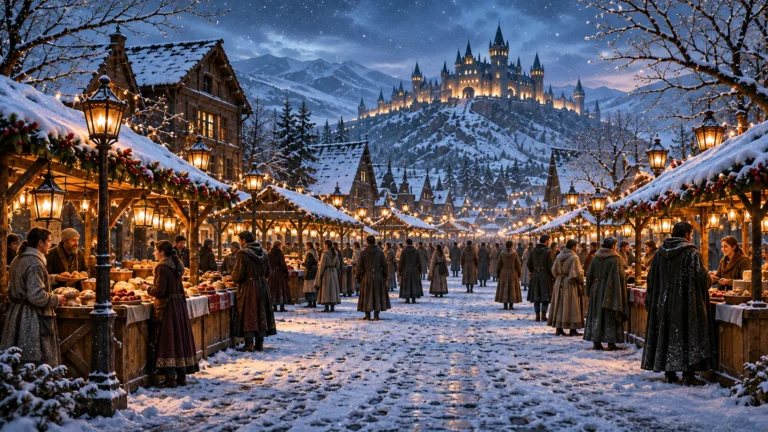
Imagine a prosperous fantasy kingdom where winter is not considered a season of inconvenience, but the most important celebration of the year.…
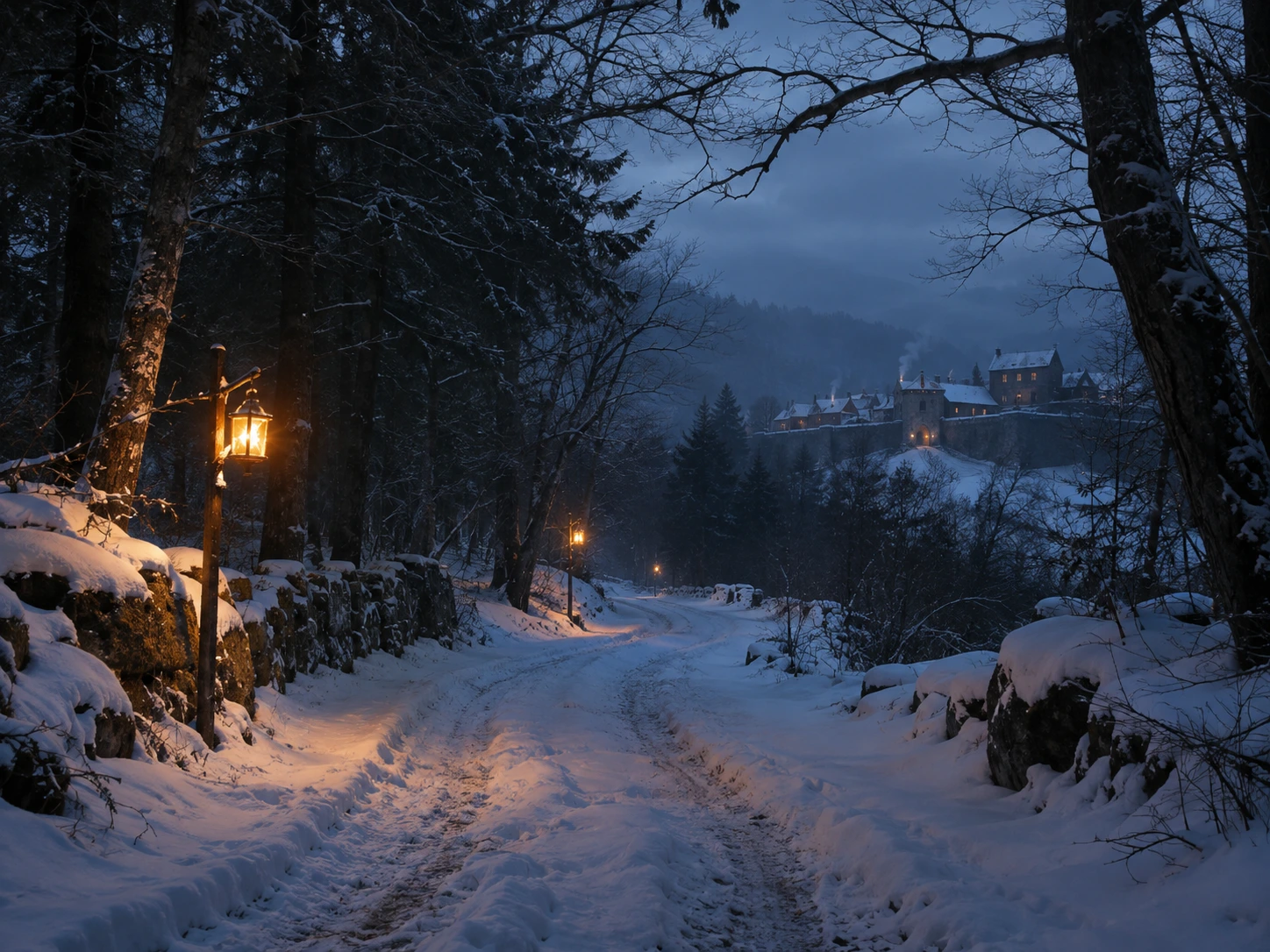
When people imagine a vampire’s home, they rarely picture an ordinary apartment. Instead, they imagine an ancient castle standing above a forest, with dark windows, enormous gates, and rooms that have remained untouched for centuries. The association feels natural today, but it developed through centuries of Gothic storytelling rather than coming directly from every traditional vampire legend.
Long before vampires became romantic figures, castles appeared throughout Gothic literature as settings for frightening and mysterious events. Their thick walls, underground passages, abandoned chambers, and complicated family histories made them perfect places for stories about secrets. A castle could hide an entire generation’s mistakes without revealing anything to the outside world.
For a vampire, that atmosphere was particularly suitable. An immortal creature might accumulate wealth, knowledge, and possessions over hundreds of years. An ancient fortress provides the perfect setting for someone whose existence seems older than the people living around them.
Bram Stoker’s Dracula helped establish the image of a vampire aristocrat living in a remote Transylvanian castle. The building was more than scenery. Its isolation made escape difficult, while its strange atmosphere reflected the nature of its owner. Jonathan Harker’s visit becomes increasingly disturbing as he discovers that the castle is not an ordinary home.
Castles also offer something practical within vampire fiction. Their enclosed chambers can protect supernatural inhabitants from daylight, while their towers and great halls create an impression of authority.
Modern vampires may live in cities, mansions, or ordinary houses, but the castle remains their most recognizable home. Perhaps it is because an immortal creature seems to belong somewhere that ordinary time has already forgotten.
November 7, 2026 Imagine a prosperous fantasy kingdom where winter is not considered a season of inconvenience, but the most important celebration of the year.…
 November 7, 2026
Imagine spending Christmas inside an enormous Gothic castle surrounded by snow-covered mountains. Hundreds of candles illuminate the corridors, evergreen decorations surround ancient…
 November 7, 2026
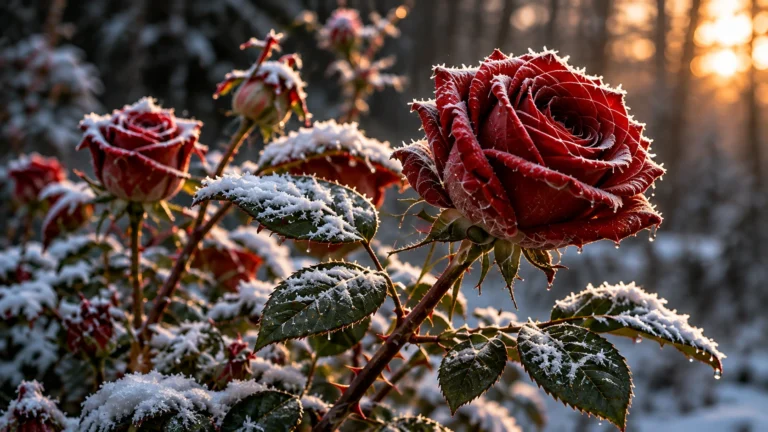
A red rose surrounded by snow creates an extraordinary visual contrast. Its delicate petals appear almost impossible against a landscape dominated by…
 November 7, 2026
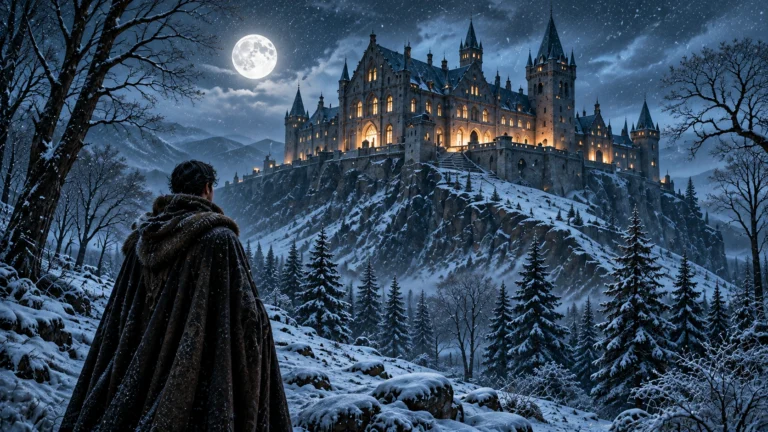
Imagine a wealthy kingdom preparing for its most important winter celebration. The capital is illuminated with thousands of lanterns, merchants decorate their…
 November 7, 2026
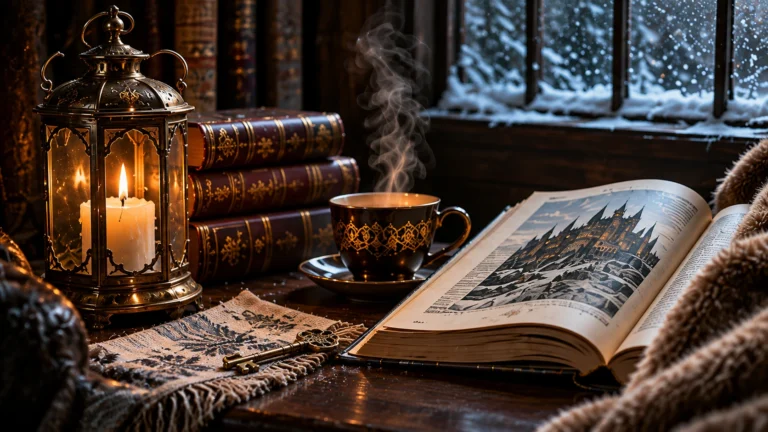
There is something particularly inviting about opening a fantasy novel on a cold winter evening. Rain strikes the windows, snow covers the…
 November 7, 2026
Imagine an expedition exploring a remote mountain glacier and discovering a human figure beneath several layers of ancient ice. The person appears…
 November 7, 2026
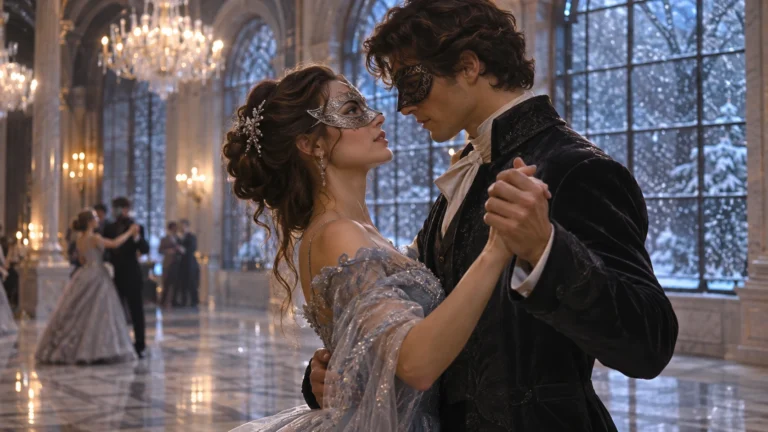
A magnificent ballroom illuminated by hundreds of candles, elegantly dressed guests, orchestral music, and snow falling beyond enormous windows. Winter balls provide…
 November 7, 2026
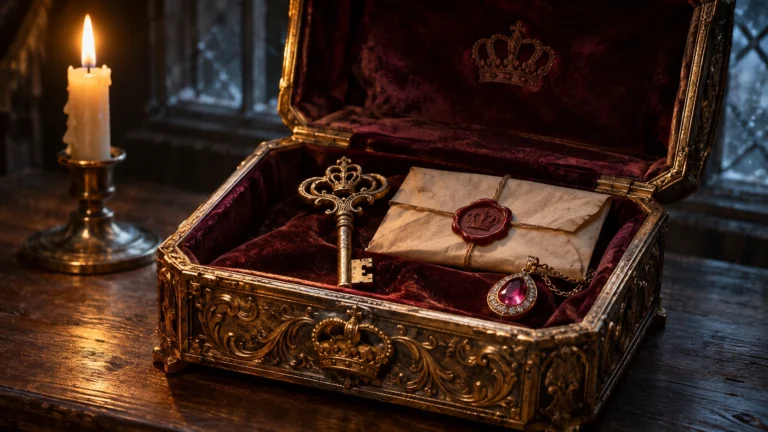
Imagine exploring the abandoned chambers of an ancient royal palace and discovering a beautifully decorated box hidden inside a wooden cabinet. Its…
 November 7, 2026
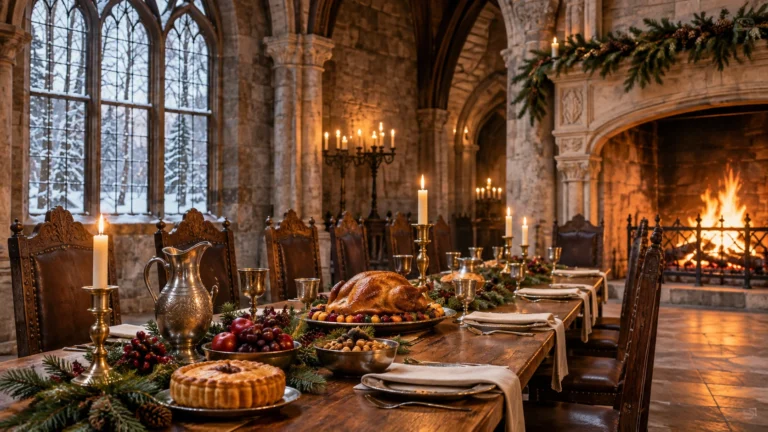
Imagine entering the great hall of a medieval castle during the coldest part of winter. Enormous fireplaces illuminate the room, musicians entertain…
 November 7, 2026
Winter creates a distinctive atmosphere for romantic stories. Snow-covered gardens, candlelit rooms, quiet evenings, and long nights provide opportunities for intimate encounters…
November 7, 2026 Imagine a prosperous fantasy kingdom where winter is not considered a season of inconvenience, but the most important celebration of the year.…
November 7, 2026 Imagine spending Christmas inside an enormous Gothic castle surrounded by snow-covered mountains. Hundreds of candles illuminate the corridors, evergreen decorations surround ancient…
November 7, 2026 A red rose surrounded by snow creates an extraordinary visual contrast. Its delicate petals appear almost impossible against a landscape dominated by…
November 7, 2026 Imagine a wealthy kingdom preparing for its most important winter celebration. The capital is illuminated with thousands of lanterns, merchants decorate their…
November 7, 2026 There is something particularly inviting about opening a fantasy novel on a cold winter evening. Rain strikes the windows, snow covers the…
November 7, 2026 Imagine an expedition exploring a remote mountain glacier and discovering a human figure beneath several layers of ancient ice. The person appears…
November 7, 2026 A magnificent ballroom illuminated by hundreds of candles, elegantly dressed guests, orchestral music, and snow falling beyond enormous windows. Winter balls provide…
November 7, 2026 Imagine exploring the abandoned chambers of an ancient royal palace and discovering a beautifully decorated box hidden inside a wooden cabinet. Its…
November 7, 2026 Imagine entering the great hall of a medieval castle during the coldest part of winter. Enormous fireplaces illuminate the room, musicians entertain…
November 7, 2026 Winter creates a distinctive atmosphere for romantic stories. Snow-covered gardens, candlelit rooms, quiet evenings, and long nights provide opportunities for intimate encounters…